

What UGC Actually Is
(And What It Isn’t)
Let’s just clear this up, because the internet has made it soooo much more confusing than it needs to be. If you’ve ever felt like you couldn’t get a straight answer on what UGC actually means as a career or a side hustle, you’re definitely not alone. This resource is here to fix that.
Click here and get $25 off →

The One-Sentence definition
That’s really it. You’re typically not promoting anything to your audience, or hoping someone clicks a link or that your content goes viral. A brand comes to you, tells you what they need, you make it, they pay you, and they use that content according to the rights you’ve agreed to in your contract.
Why Brands actually Buy UGC
Here’s the question most beginner resources never actually answer: why would a brand pay a regular person to make content when they could just hire a production company?
Because 60% of consumers view user-generated content as the most authentic, nearly 10 times more persuasive than influencer posts. 72% follow brands that share it, 86% deem those brands trustworthy, and short customer videos top credibility at 76%, especially among Millennials and Gen Z. This trust level is significantly higher than paid ads, with only 26% of consumers trusting polished, commercial advertisements.

Consumers are 2.4 times more likely to view UGC as authentic compared to brand-created content. This preference is driven by social proof, with 79% of people stating that UGC highly influences their purchasing decisions, unlike traditional ads which lately more recently are viewed with skepticism or a feeling of disconnect.
Brands use UGC because it feels more authentic, fits naturally into social feeds, and tends to perform well across paid ads, websites, email campaigns, and product pages. A slick, produced commercial signals “advertisement” and “we want your money” the moment it starts. A video that looks and sounds like a real person sharing a real experience? That stops the scroll and puts the decision to buy back in the consumer’s realm of control.
as opposed to a demand.
You’ve probably watched UGC without even realizing it. That Instagram ad that felt like someone’s genuine recommendation. The TikTok ad that looked like an organic, entertaining video. The product video on an Amazon listing. The testimonial or client story sitting on a brand’s homepage. A lot of that is UGC, made by creators just like you.
An analogy that might make it click
Those are two completely different businesses, and understanding that difference changes how you think about your own value.
Brands aren’t hiring you because you’re famous or “successful.” They’re hiring you because you can make someone stop scrolling, pay attention, trust what they’re seeing, and understand why a product is worth trying. They’re buying a marketing asset. The better you become at communicating clearly, understanding customers, and creating believable content, the more valuable you become over time.
The gear Question
Since it always comes up.
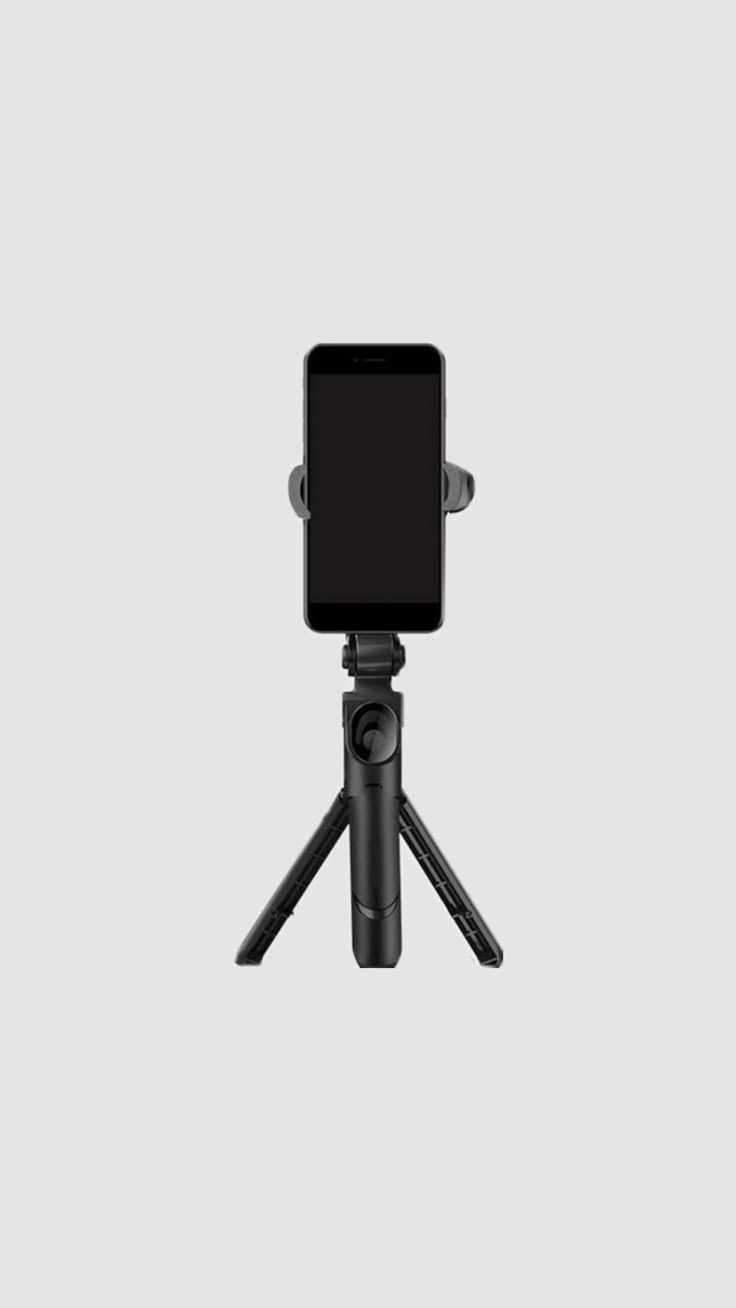
You do not need a studio. Most of my paid work has been shot on a phone. But a few small things make a real difference in how professional your footage looks, and these are what I actually use.
See what I use →
Browse the full shop →
So What About followers?
This one needs a real answer because there’s a lot of blanket advice floating around that in my opinion just isn’t fully honest.
Your follower count is not the product in a UGC deal. A brand isn’t hiring you because you have 50,000 followers the way they’d hire an influencer. That part is true.
But saying “follower count doesn’t matter at all” isn’t the whole story either.

The more honest, big picture version
A lot of creators are sourced and discovered through social media. Some brands and platforms ask you to connect your socials before they’ll work with you. Having a public presence tells a brand who you are as a creator, how you show up online, and what it might be like to work with you.
Both are useful, and if you’re serious about doing this full time, both are worth building.
The difference is that you don’t need a massive following to get started. Plenty of creators land their first deals with a small but intentional presence. What matters more than your numbers is the quality of your content and how professionally you show up.
If UGC is something you want to do part time, you’re happy using platforms and apps, and social media genuinely isn’t for you, that’s a valid choice. But if you’re thinking about doing this full time, building a personal brand alongside your UGC work opens doors that staying private simply doesn’t. It amplifies your pitches, attracts inbound opportunities, and builds the kind of credibility that compounds over time.
publicly as a creator who creates.
And I’ve seen and experienced this personally.
UGC vs. everything Else
This is where most people get tripped up, because the internet uses a lot of these terms interchangeably and they really aren’t the same thing.
Affiliate
You post something, someone buys it through your link, and you get a percentage. Your income depends completely on whether your audience actually buys. UGC works differently. The brand pays you regardless of what happens after they receive your files. Those are two completely different financial relationships.
TikTok Shop
TikTok Shop and UGC actually have a lot in common strategically. Knowing a good hook, understanding pacing, making content feel real, all of that carries over. The difference is the money structure. With UGC you get paid no matter what. With TikTok Shop you eliminate the middleman but take on all the risk, because you’re essentially a commissioned salesperson and your income depends on whether people buy. If you’re interested in both, go for it. Just don’t confuse them, because they’re not the same thing.
Influencer Work
When a brand hires you as an influencer, they’re paying for access to your people. Your followers, your engagement, your reach, that’s what they’re buying. UGC is different. They’re buying your skill, your eye, your ability to make something that feels real and native. Sometimes these overlap, and you’re a UGC creator with a sizable following, perhaps delivering assets to a brand and posting to your pages. Address those case by case and make sure your rates reflect your entire value. Protect the audience you’ve built and your UGC business.
Rewards Apps
For absolute beginners or hobbyists who want some low stakes exposure to creator work, rewards apps can be a decent starting point. But be honest with yourself about what they are. You earn points, gift cards, small amounts of money, and sometimes you’re posting to your own personal page, which isn’t even UGC in the traditional sense, and leans into underpaid influencer work. It can feel like progress when in reality the brand and the platform are almost always the ones benefitting most. There’s no contract, no negotiation, no real rate. It’s not a business, and the goal should be to move past it quickly if you intend to make real income or do UGC full time.

What the Actual transaction
Looks Like
A brand needs video content for ads, their website, email campaigns, whatever it might be. They come to you, or you pitch them. You agree on what you’re making, how many videos, what the usage rights look like, and the timeline. You get that in writing. You collect your deposit. You make the content. You deliver the files. Done.
You never post it unless that’s specifically part of the agreement. Your follower count doesn’t come up the way it would for an influencer deal (besides whitelisting UGC content or running Spark ads). This is freelance creative work. You’re a professional they hired to solve a marketing problem, and the more clearly you can hold that in your own mind, the better your work and your business will be.
The Contract Terms Survival Guide
Usage rights, exclusivity, whitelisting, AI clauses, kill fees. A plain-English breakdown of every term that affects what you get paid, and which ones are negotiable even when they’re presented like they aren’t.
Get the GuideWhat Brands Are really Buying
Brands aren’t hiring “actors.” They’re hiring believable and strategic communicators.
The goal isn’t a perfect performance. It’s a convincing one. Someone who sounds like a real person with a real opinion, not a script being read to camera. That’s a skill that develops with practice, not something you either have or don’t have walking in. Trust me, my older videos sound incredibly salesy and forced now that I have that experience.

UGC as a career also looks genuinely different for everyone. Some creators do it full time. Some use it to supplement their income, pay off debt, get a kid through college. Some eventually build agencies or move into coaching or influencer work. There’s no single path and no timeline you’re supposed to be hitting. What matters most right now is that you understand what the work actually is before you decide what role you want it to play in your life.
And if you’re already wondering how anyone gets hired without examples yet, that’s what intro videos and portfolios are for.
Last Thing worth Knowing
The term “user generated content” barely describes what we actually do anymore. What brands are really buying is content that feels human and native, like it came from a real person’s actual life and not a boardroom. You’re selling your craft and your professionalism as a vendor, and the brands who work well with UGC creators understand that.
That shift is small on paper and enormous in practice.
Everything lives in one place
Guides, resources, and whatever I’m currently building for creators. All of my links are right here.
Explore Britt’s Resources
Full-time UGC creator. Former Chief of Staff for a $4.3M marketing and publishing agency.